
The murder case of the young university student from Amed, Gülistan Doku, gained regional and international attention after the results of the state and police structures complicity with the renewed investigation after 6 whole years. The reopening of the case after Gülistan went missing in 2020 and was called as a “suicide case”, like in many other murder cases in which the state is directly or indirectly included, and reopened; uncovering many new deep state details related to this femicide that took place in the heart of Kurdistan, Dêrsim. Eleven responsible individuals, most importantly including the former state-forced Turkish Governor Tuncel Sonel and his protection network for his son Mustafa Türkay Sonel and a dismissed police officer, have been arrested on charges of killing Gülistan Doku or destroying evidence. It became clear that Mustafa Sonel, that built a close network within the youth in Dêrsim, raped and killed the young university student Gülistan and then buried her body in multiple places and continued with his bourgeois lifestyle in the kurdish city, even adding the number “62” in his Instagram name. But to contextualize Doku’s Death, we have take a broader look into the intense assimilation policies applied by state, military and police forces as part of a special psychological war strategy in kurdish cities with a specific oppressive tactic on young kurdish women. By looking at the Doku case as one individual phenomenon, we cannot properly understand the strategy behind ideological destruction methods by the Turkish and more generally imperial state powers. These cases are not unique in its essence but rather part of a globally observable pattern of violence against women in a community that is tried to be dismantled. Based on the fact that women the bearers of each society and the biggest holders for a ethic-social revolution and change, a state-sanctioned or colonial culture of rape and violence is imposed on the body of the women, aimed at breaking them from within and render them in a conservative position of complete passiveness.
Gülistan Doku, Narin Güran, Rojîn Kabais and Gülistans Friend Rojwêlat Kizmaz fell victim to the system of rape. The high numbers of femicides in Kurdistan by state forces is a general social phenomenon that exposes the possessive violent nature of the patriarchal mindset; with an special approach to kurdish women that suffer their identity as women, as low-income family members, as Kurds and as Alevi/Yezidi/Christian etc. The murder of children, the dragging of young women into prostitution caused by a lack of life perspectives, the active implementation of informants, rape culture and the high numbers of suicide within the Youth, are all the consequences of colonial structures.
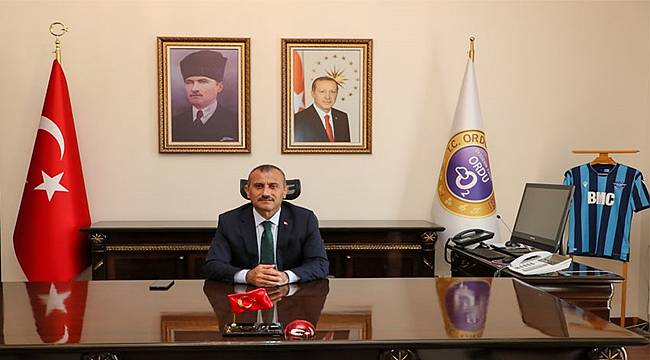
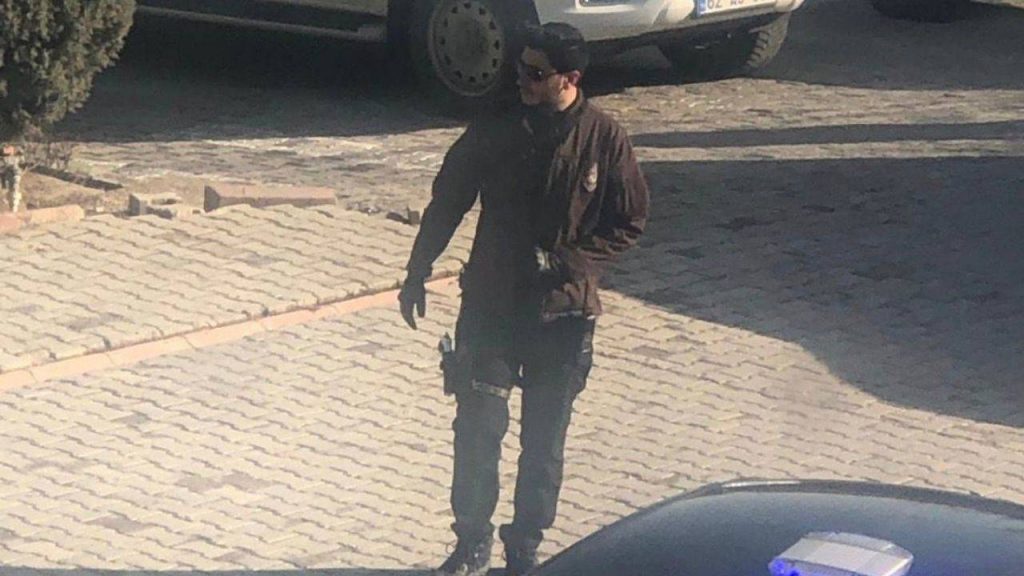
Tuncay Sonel, Former State-Selected Governor of Dêrsim, and his son Mustafa Sonel, walking through Dêrsim with guns.
Especially since 2015 after the cut of the peace process between the kurdish guerilla forces and the Turkish state and its begin of its political and population genocidal operation, special warfare policies were implemented in kurdish regions, especially in historical forefront wêlatparez cities like Wan, Amed, Sirnax, and Dêrsim. With the most dynamic democratic kurdish forces leaving the city centres, politicians of the HDP getting mass arrested or forced into exile, the cities saw themselves confronted as a leaderless society and left with a hole that the state filled with locally built gang forces, illegal sects pushing drug and prostitution networks and Turkish deep state (MIT) workers in the middle of daily societal life in Kurdistan. Since the 2000’s, besides the active military occupation in Kurdistan, the Turkish state has introduced new attempts to completely eliminate social opposition and resistance and build an ideological hegemony of Turkish nationalism and fascism. Unable to beat the kurdish democratic movements and its support within kurdish society in Bakûr, the ruling powers turned their attention to the kurdish population from within and organized a “castic” group that is also called the “castic murder club”, dismantling kurdish identity, tradition, belief and its social fabric that represents the foundation and basis of the social resistance. With the selected pilot regions, the key centres of Kurdish resistance, the Turkish state began to implement a deeply funded, financed and coordinated social genocide, the significant pillar of these social genocide policies being femicides.
With important political leaders of kurdish society being subjected to annihilation, the resulting vacuum was actively filled with a state-collaborating segment. State resources were endlessly available to these same groups, paving the way for unlimited plunder and corruption. This special war policy has been carried out within each unique context of each kurdistani province, with selected state-sent administrators dispatched. These administrators sought to organise themselves within society by engaging with the public. To influence the public, every sector, from creating economic incentives to religious leaders, was brought into play. Social morality was undermined, and drug use and prostitution were widespread across the region. One of the most significant causes of social disintegration has been the severing of the bond between freedom fighters and society, and the loss of influence over alternative and strong democratic politics within the kurdish population and neighbourhoods.
Within the big Dêrsim Project, the Munzur University, that is home to a lot of kurdish and Turkish students from outside, was used as one of the central hubs for these assimilation and psychological breaking policies against women and Kurdish Youth.The youth of Dêrsim has been left without a democratic network, faced with multi-faced oppression and multi-dimensional assimilation policies, marked by oppression and encouraged to join state-funded gangs through financial opportunities, stripping them from the Dêrsimi Population and therefore their historical and political alevi-kurdish identity marked by resistance and survival. In a city like Dêrsim, that is highly militarized and police monitored in every street and corner, the lawlessness acts and murder cases like the one on Gülistan Doku, is not monitored, not questioned with zero intervention.
With the current societal crises, it is fundamental to intensively rebuild on state-independent democratic perspectives and structures to prevent identity loss, push back on state agents and stick an ethical-political understanding of kurdish society against colonialist approaches. Especially for young women, self-defence mechanism against the corrupt mindset and agency is indispensable. The sole path to resistance against the special war policies being waged in Kurdistan in general, and in Dêrsim in particular, lies in being organised in every sphere of life and in expanding the struggle for democracy and freedom.
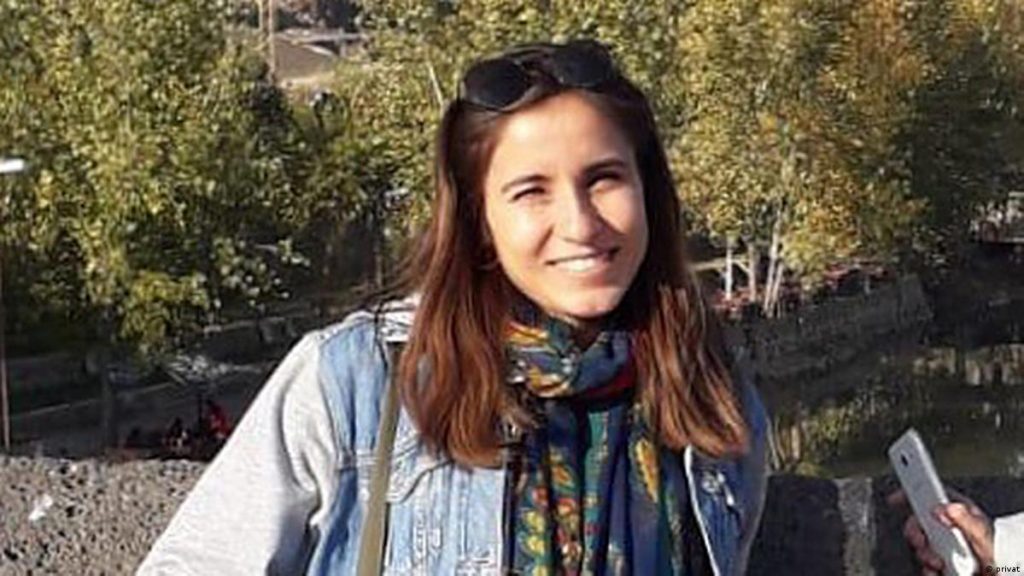
Gülistan Doku. Killed during her university years in Dêrsim in 2020 by Mustafa Sonel. Feminist Groups now call for a deep independent investigation of her close friend rojwêlat kizmaz that was found dead in a lake in Hasankeyf and see a connection between the murder of the two young kurdish women and silencing policies that end with femicides.